Car Cover On Mobile: Car Insurance App Tips For Drivers
A car insurance app can help vehicle owners manage policy-related tasks directly from a mobile phone. Users can compare plans, renew insurance, download policy documents, raise claims, check renewal dates, and review coverage details without depending only on offline paperwork.
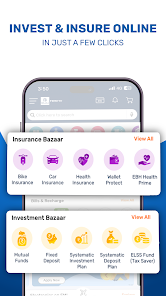
For car owners, this can save time and reduce confusion. However, insurance decisions should not be made only because an app is fast or simple. Users should understand coverage type, premium, IDV, add-ons, claim process, exclusions, deductibles, and payment safety before buying or renewing a car insurance policy.
Financial Tools And Emergency Support
Some users also keep a quick loan app on their phone for urgent financial needs, but it should not be confused with insurance planning. A car insurance app is used to manage vehicle coverage, while a quick loan app is used for borrowing money during short-term cash requirements.
If a user is considering a quick loan app to manage emergency repair costs or premium payment gaps, they should first review interest rate, repayment date, processing fee, and total cost. Borrowing should be planned carefully because a loan creates repayment responsibility, while insurance is meant to reduce financial pressure from covered vehicle-related risks.
What Is A Car Insurance App?
A car insurance app is a digital platform that helps users buy, renew, compare, and manage car insurance policies. Depending on the platform, users may also track claims, upload documents, check policy status, and access customer support.
The app can show policy details such as:
- Policy number
- Vehicle details
- Coverage type
- Premium amount
- IDV
- Add-on covers
- Renewal date
- Claim status
- Payment receipt
- Policy document
This makes it easier for users to keep important insurance information in one place.
Why Drivers Use Car Insurance Apps
Drivers use car insurance apps because they make policy management more convenient. Instead of searching for paper documents or visiting a branch, users can access insurance details from their phone.
A car insurance app can help with:
- Comparing policy options
- Renewing expired or active policies
- Downloading policy copies
- Checking premium details
- Tracking claim requests
- Reviewing add-ons
- Setting renewal reminders
- Updating contact details
- Contacting support
- Saving payment records
These features can help users stay organised and avoid missing important insurance tasks.
How A Car Insurance App Works
The process may vary across platforms, but the basic flow is usually simple.
Enter Vehicle Details
The user enters the car registration number, model, fuel type, manufacturing year, and previous policy information.
View Policy Options
The app may display available policy options based on the vehicle details.
Compare Coverage
Users can compare premium, IDV, add-ons, deductibles, exclusions, and claim-related features.
Select A Plan
The user chooses a suitable plan based on coverage needs and budget.
Complete Payment
Payment is completed digitally through available payment methods.
Download Policy
After successful payment, the user can download or access the policy document.
Types Of Car Insurance Coverage
Before using any app, users should understand the common types of car insurance coverage.
Third-Party Insurance
Third-party insurance covers legal liability toward a third party as per policy terms. It does not cover damage to the user’s own vehicle.
Comprehensive Insurance
Comprehensive insurance usually includes third-party cover and own-damage cover, depending on policy conditions.
Own Damage Cover
Own damage cover protects the insured vehicle against covered risks such as accident, theft, fire, or natural events, subject to policy terms.
Add-On Covers
Add-ons may include zero depreciation, engine protection, roadside assistance, consumables cover, tyre protection, and return-to-invoice cover.
Users should read terms carefully because coverage and exclusions can differ.
Features To Check In A Car Insurance App
A useful car insurance app should support more than simple policy purchase.
Easy Policy Comparison
The app should allow users to compare premium, coverage, add-ons, and claim features clearly.
Renewal Reminder
Renewal alerts can help users avoid policy expiry.
Document Access
Users should be able to download policy documents and receipts easily.
Claim Support
Claim intimation, document upload, and claim tracking can make the process smoother.
Secure Payment
Payment pages should be safe and clearly show the final amount.
Customer Support
Support options should be available for policy or claim-related questions.
Benefits Of Using A Car Insurance App
A car insurance app can offer several benefits when used carefully.
Convenience
Users can manage insurance tasks without visiting an office.
Faster Renewal
Policy renewal can be completed online in a few steps.
Better Record Keeping
Documents, receipts, and claim details can be stored digitally.
Easy Comparison
Users can compare different plans before choosing.
Claim Tracking
Some apps allow users to track claim progress from the phone.
Reduced Paperwork
Digital access reduces dependency on physical files.
What To Check Before Buying Or Renewing
Before buying or renewing a car insurance policy through an app, users should review important details.
Key checks include:
- Vehicle number
- Policy type
- Premium amount
- IDV
- Add-ons
- Deductibles
- Exclusions
- No-claim bonus
- Claim process
- Network garages
- Insurer details
- Renewal date
A small mistake in vehicle details or policy selection can create problems during claims.
Common Mistakes To Avoid
Users should avoid common mistakes while using car insurance apps.
Choosing Only The Lowest Premium
A low premium may come with limited coverage or higher out-of-pocket expenses.
Ignoring Exclusions
Exclusions explain what is not covered under the policy.
Not Checking IDV
IDV affects both premium and claim value.
Missing Renewal Date
Driving with an expired policy can create legal and financial issues.
Not Saving Policy Documents
Users should download and store policy copies safely.
Entering Wrong Vehicle Details
Wrong information can affect policy validity or claim processing.
Claim Management Through A Car Insurance App
Some apps allow users to raise claims digitally. The user may need to upload photos, describe the incident, submit documents, and follow the insurer’s process.
Common claim-related documents may include:
- Policy copy
- Registration certificate
- Driving licence
- Photos of vehicle damage
- Claim form
- Repair estimate
- FIR, if required
- Payment receipts
Users should report incidents on time and follow official claim instructions carefully.
Payment Safety While Using Insurance Apps
Payment safety is important when buying or renewing a policy online. Users should check the final premium amount, payment method, policy details, and receipt status.
Users should avoid unknown links, public Wi-Fi, and unofficial support numbers. OTPs, PINs, and payment passwords should never be shared. After payment, users should confirm that the policy document has been issued successfully.
When Urgent Money Needs Affect Insurance Decisions
Sometimes users may think about an instant loan when they need money for premium renewal, vehicle repair, or emergency expenses. An instant loan may provide quick access to funds, but it should be used only after reviewing repayment capacity and total cost.
Before taking an instant loan, users should compare interest rate, tenure, EMI, processing fee, late payment charges, and repayment schedule. Insurance renewal is important, but borrowing should not be done without understanding the long-term repayment impact.
Conclusion
A car insurance app can make policy comparison, renewal, document access, and claim tracking easier for vehicle owners. It helps users manage insurance tasks from a mobile phone and reduces dependency on physical paperwork.
However, users should compare coverage carefully, check IDV, read exclusions, understand add-ons, verify payment details, and save policy documents. A car insurance app is useful when it supports informed decisions, safe payments, and timely policy management.